The Scarlet Letter, a classic by Nathaniel Hawthorne, is set in 17th-century Puritan Boston and chronicles the life of Hester Prynne. She is publicly disgraced and forced to wear a scarlet "A" as a symbol of her adultery after bearing a child, Pearl, out of wedlock. Hester stoically endures the punishment and refuses to name the child's father—Arthur Dimmesdale, a respected but tormented minister who secretly suffers from intense, private guilt. Meanwhile, Hester's long-absent husband, Roger Chillingworth, returns and dedicates himself to a calculated revenge, psychologically torturing Dimmesdale. The narrative reaches its climax with Dimmesdale's public confession and death, and Hester eventually returns to Boston to live out her life, forever embodying both her sin and her redemption.
This narrative endures as a timeless classic, masterfully illustrating the profound inner turmoil and systemic hardships faced by women within a rigid Puritan society. While the historical setting is vastly different from our own, the novel’s exploration of hypocrisy, social ostracization, and the enduring power of personal resilience still resonates in the context of certain modern challenges today.
The Scarlet Letter, a classic by Nathaniel Hawthorne, is set in 17th-century Puritan Boston and chronicles the life of Hester Prynne. She is publicly disgraced and forced to wear a scarlet "A" as a symbol of her adultery after bearing a child, Pearl, out of wedlock. Hester stoically endures the punishment and refuses to name the child's father—Arthur Dimmesdale, a respected but tormented minister who secretly suffers from intense, private guilt. Meanwhile, Hester's long-absent husband, Roger Chillingworth, returns and dedicates himself to a calculated revenge, psychologically torturing Dimmesdale. The narrative reaches its climax with Dimmesdale's public confession and death, and Hester eventually returns to Boston to live out her life, forever embodying both her sin and her redemption.
This narrative endures as a timeless classic, masterfully illustrating the profound inner turmoil and systemic hardships faced by women within a rigid Puritan society. While the historical setting is vastly different from our own, the novel’s exploration of hypocrisy, social ostracization, and the enduring power of personal resilience still resonates in the context of certain modern challenges today.
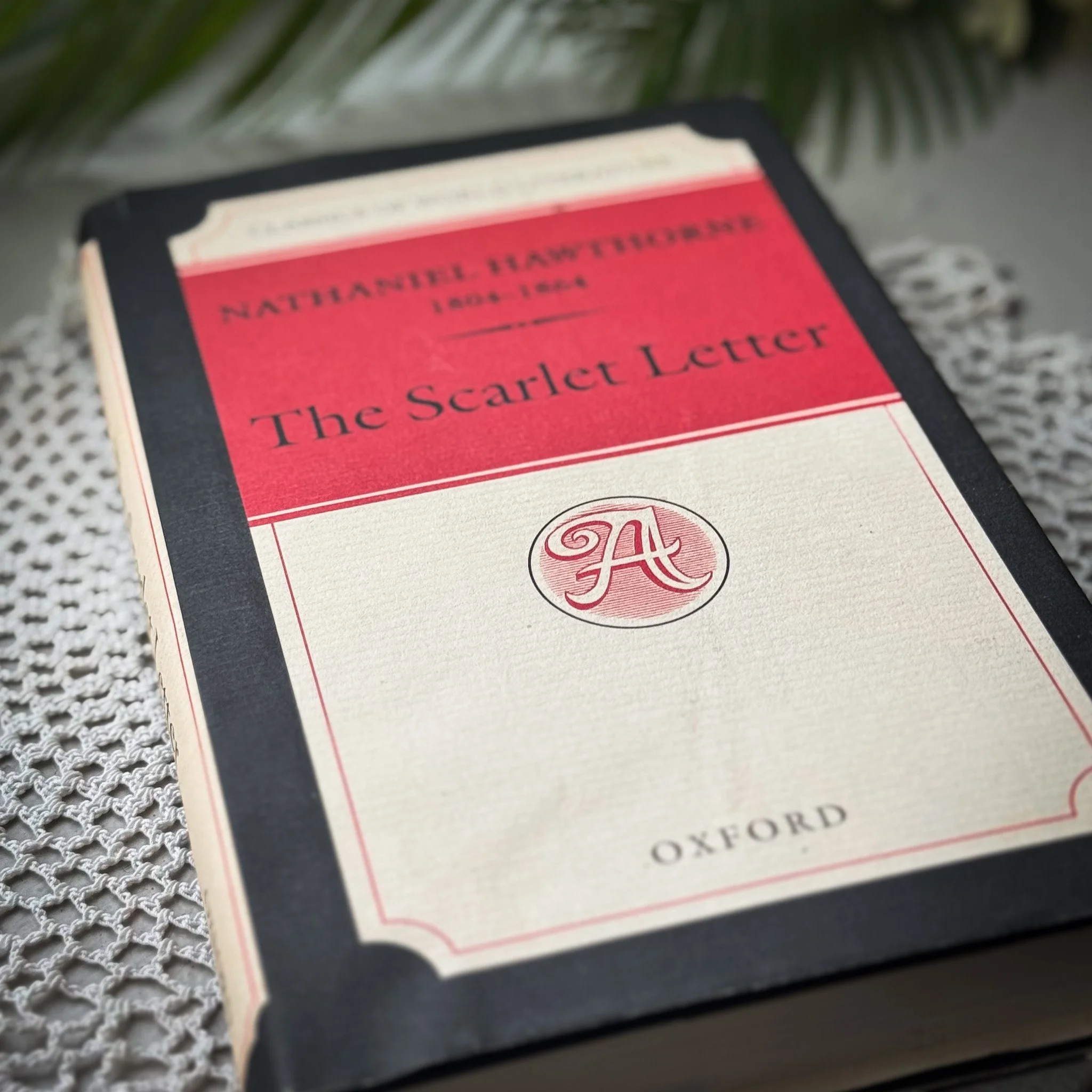 Image 1 of 13
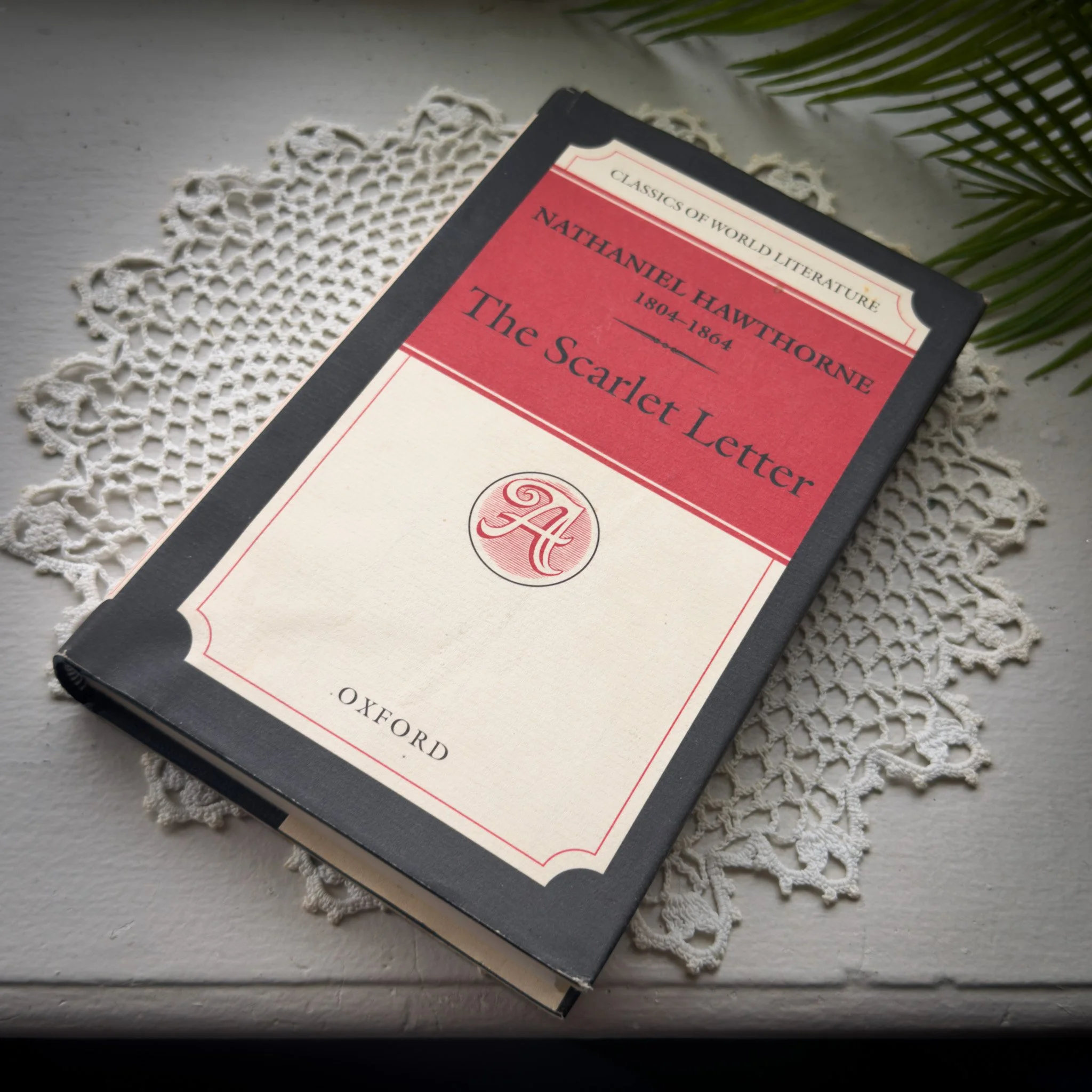 Image 2 of 13
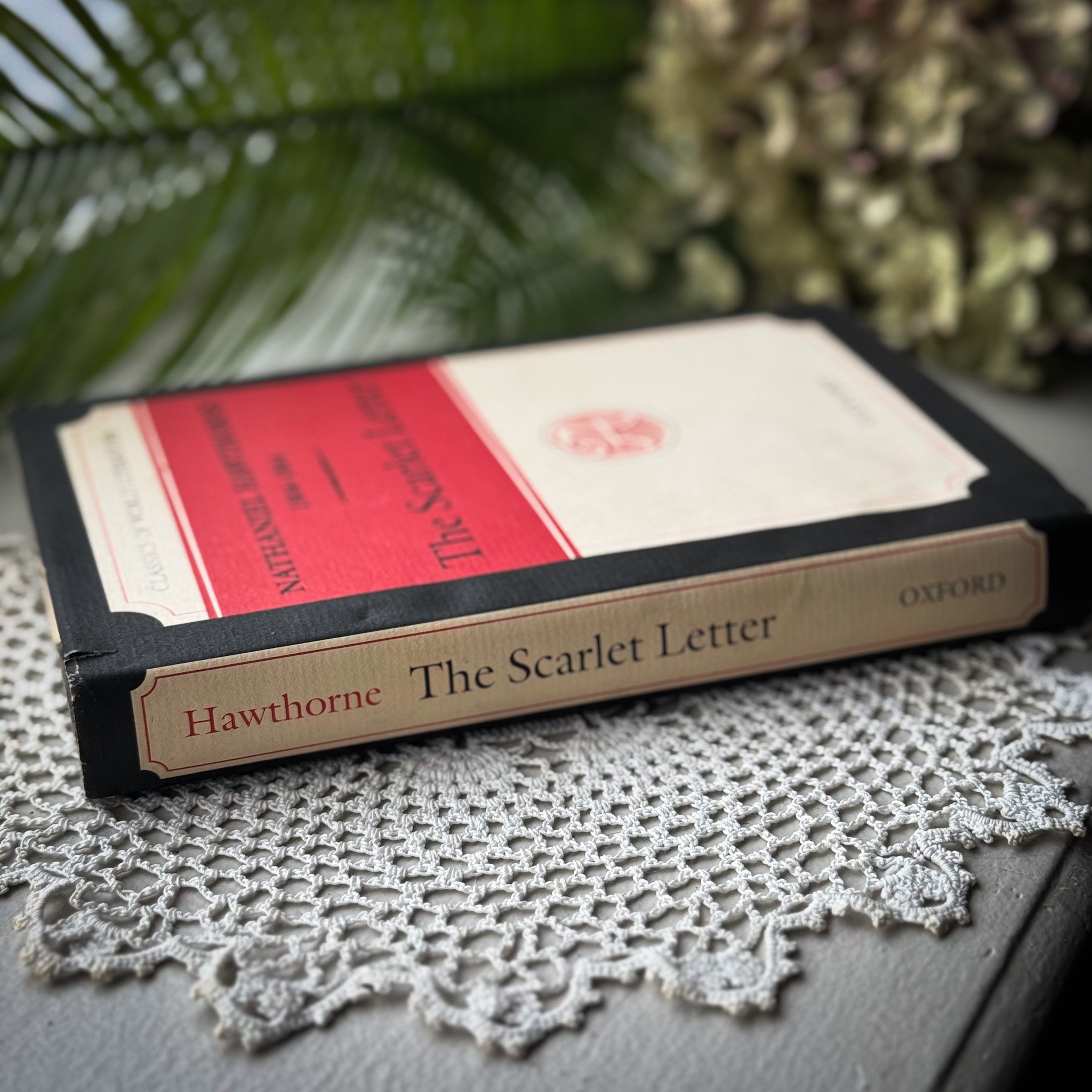 Image 3 of 13
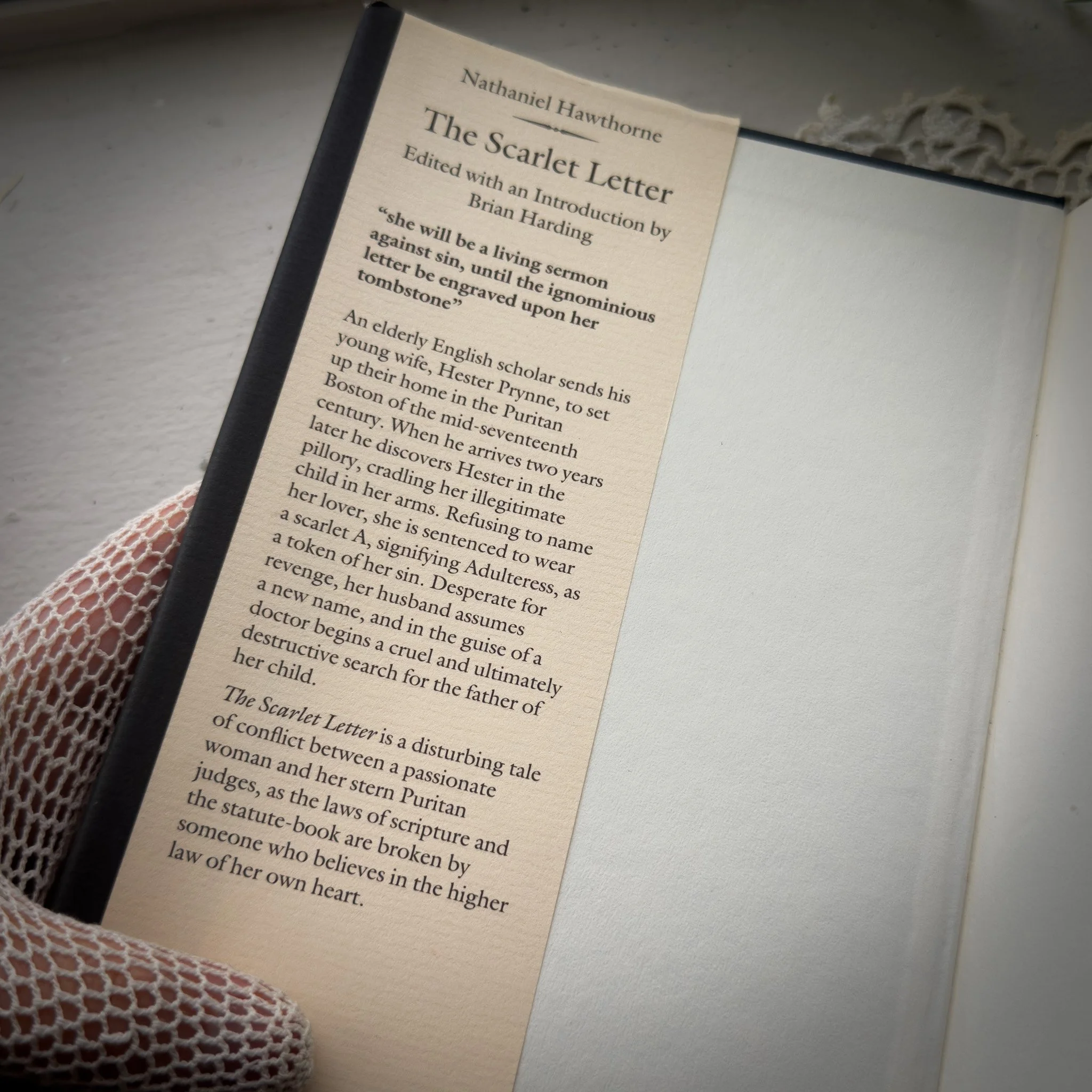 Image 4 of 13
 Image 5 of 13
 Image 6 of 13
 Image 7 of 13
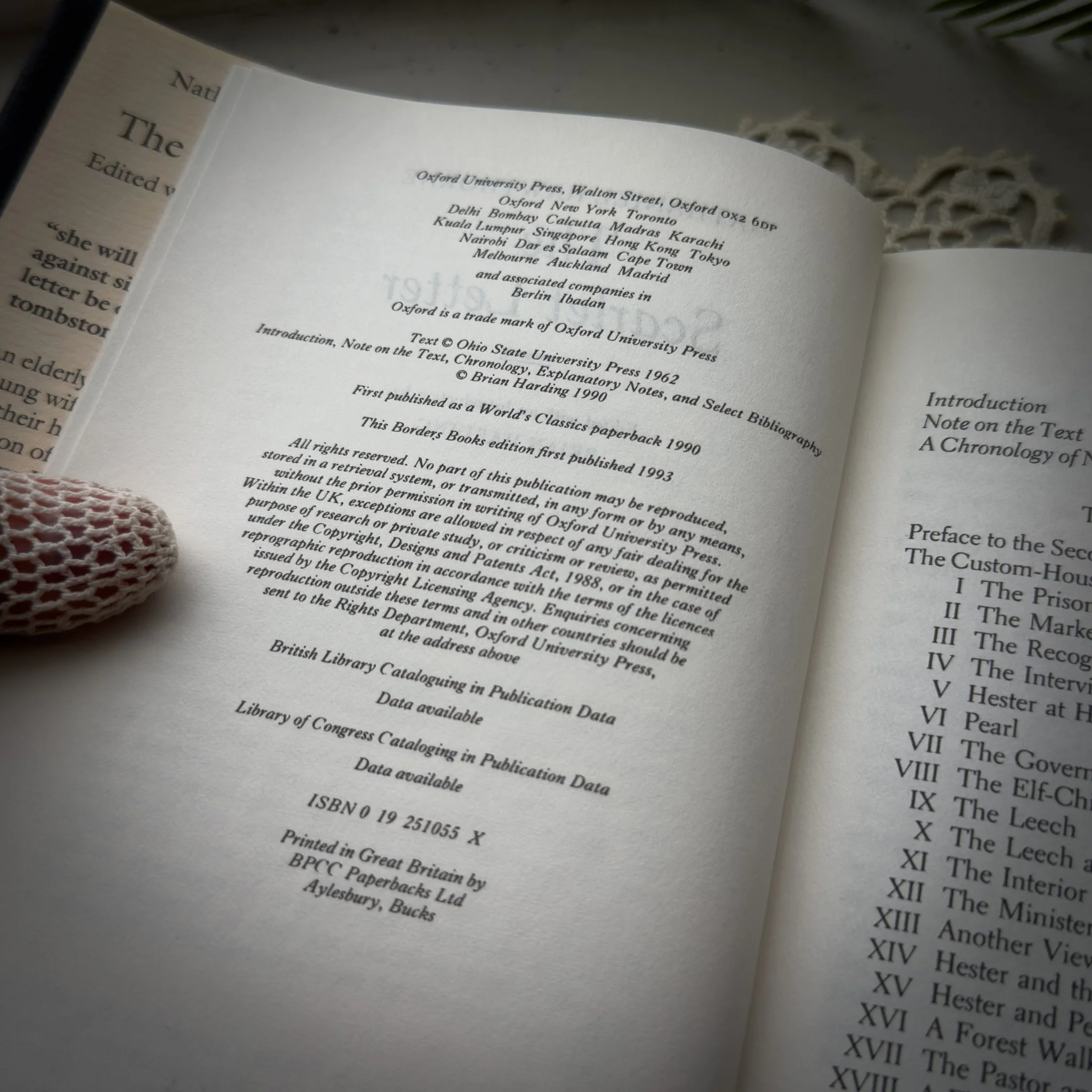 Image 8 of 13
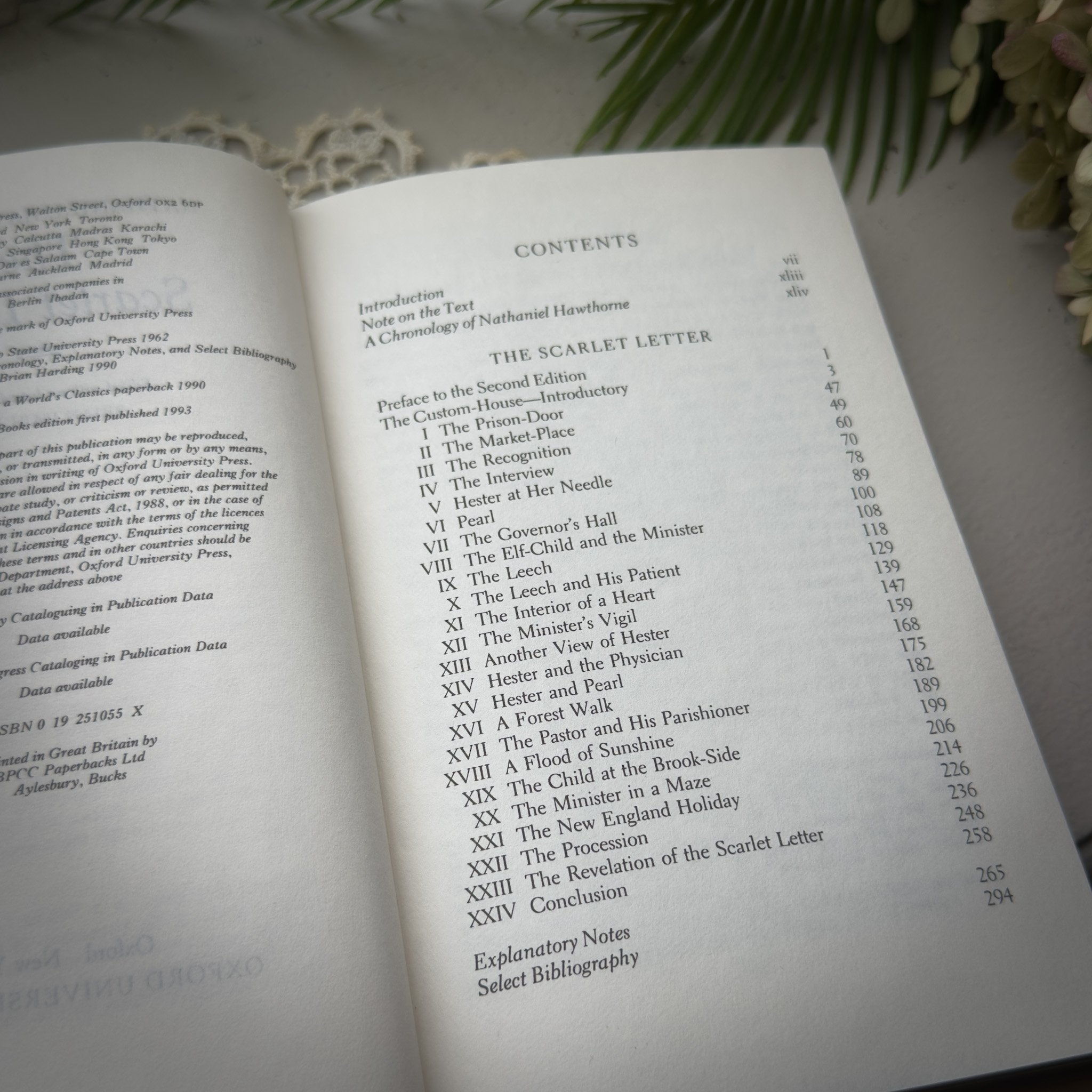 Image 9 of 13
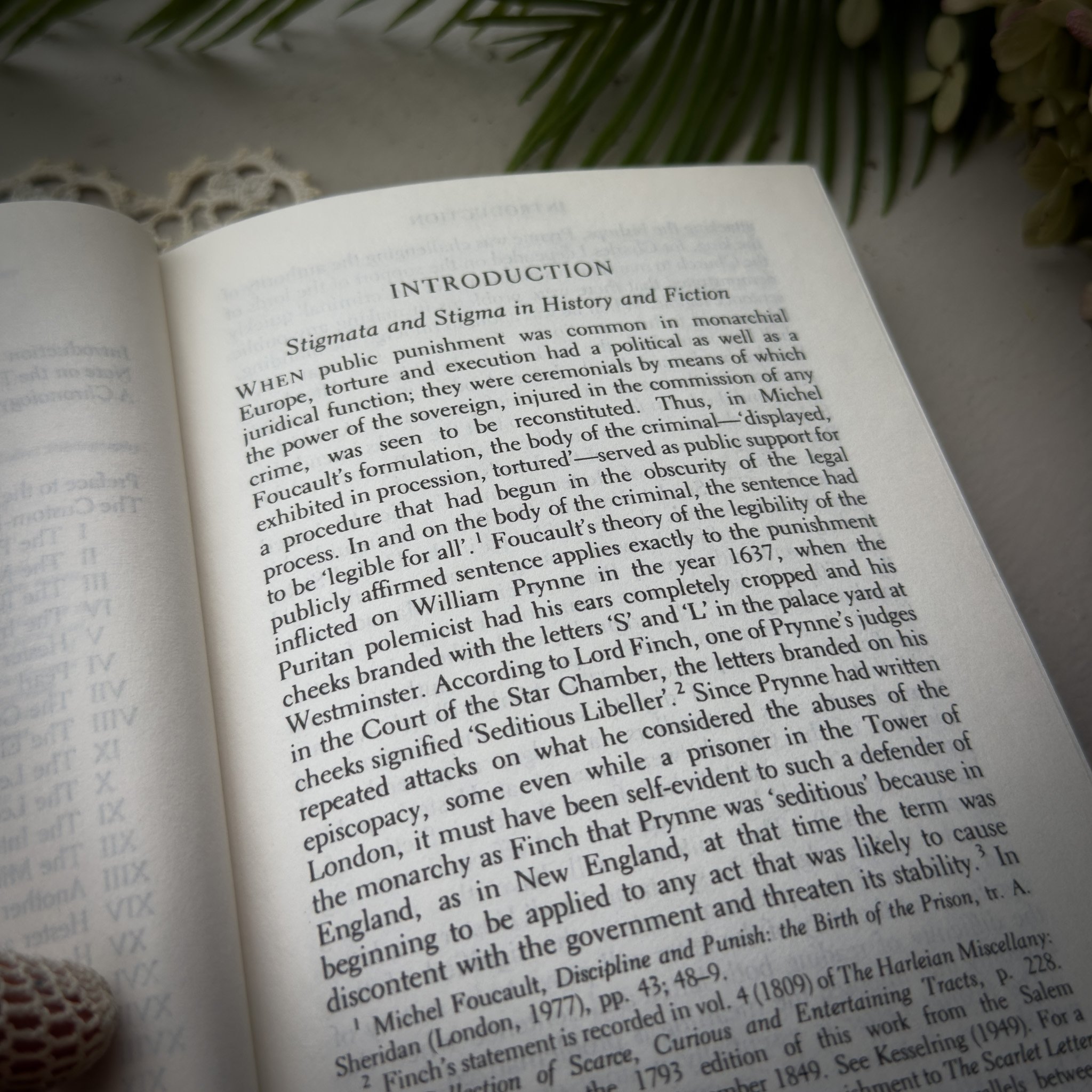 Image 10 of 13
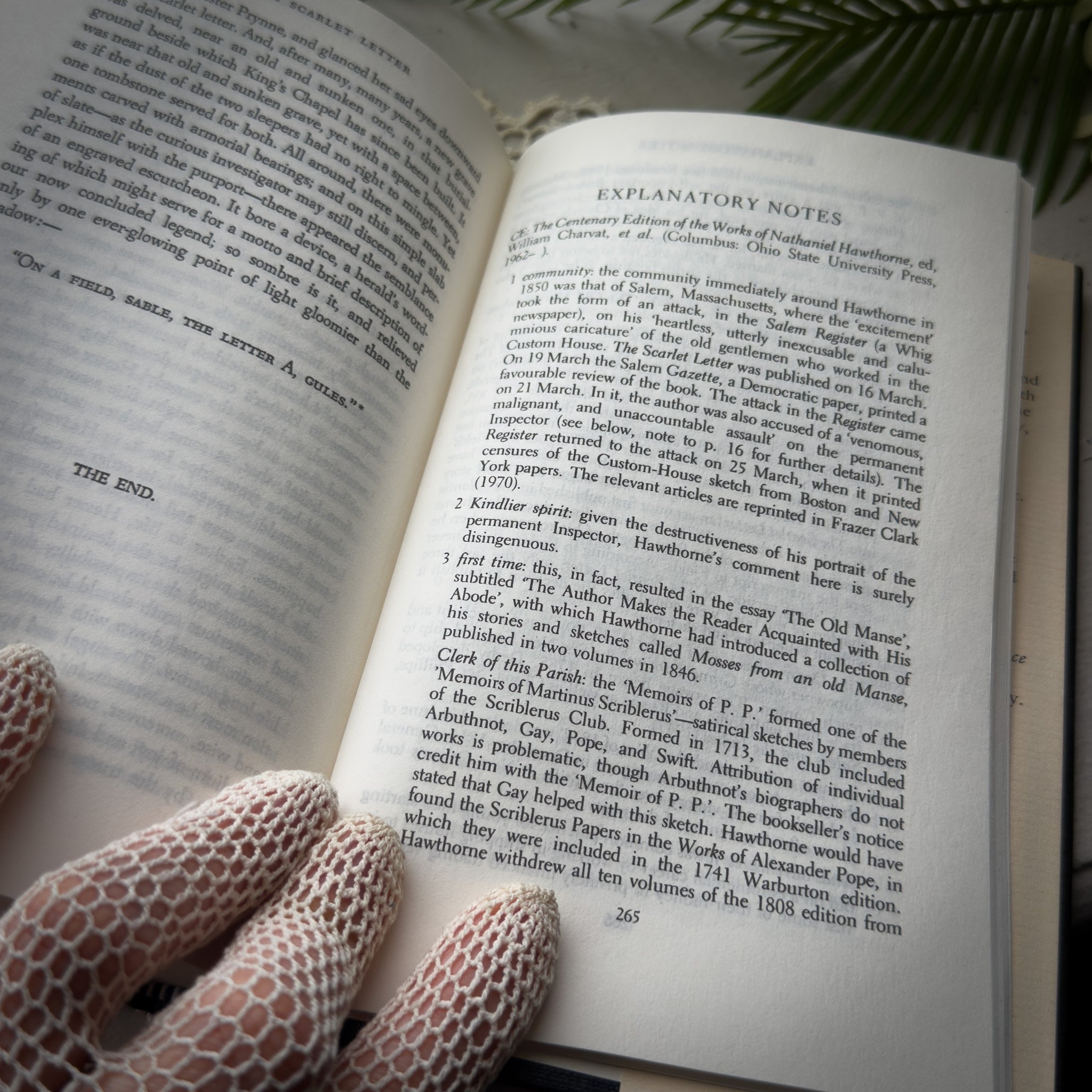 Image 11 of 13
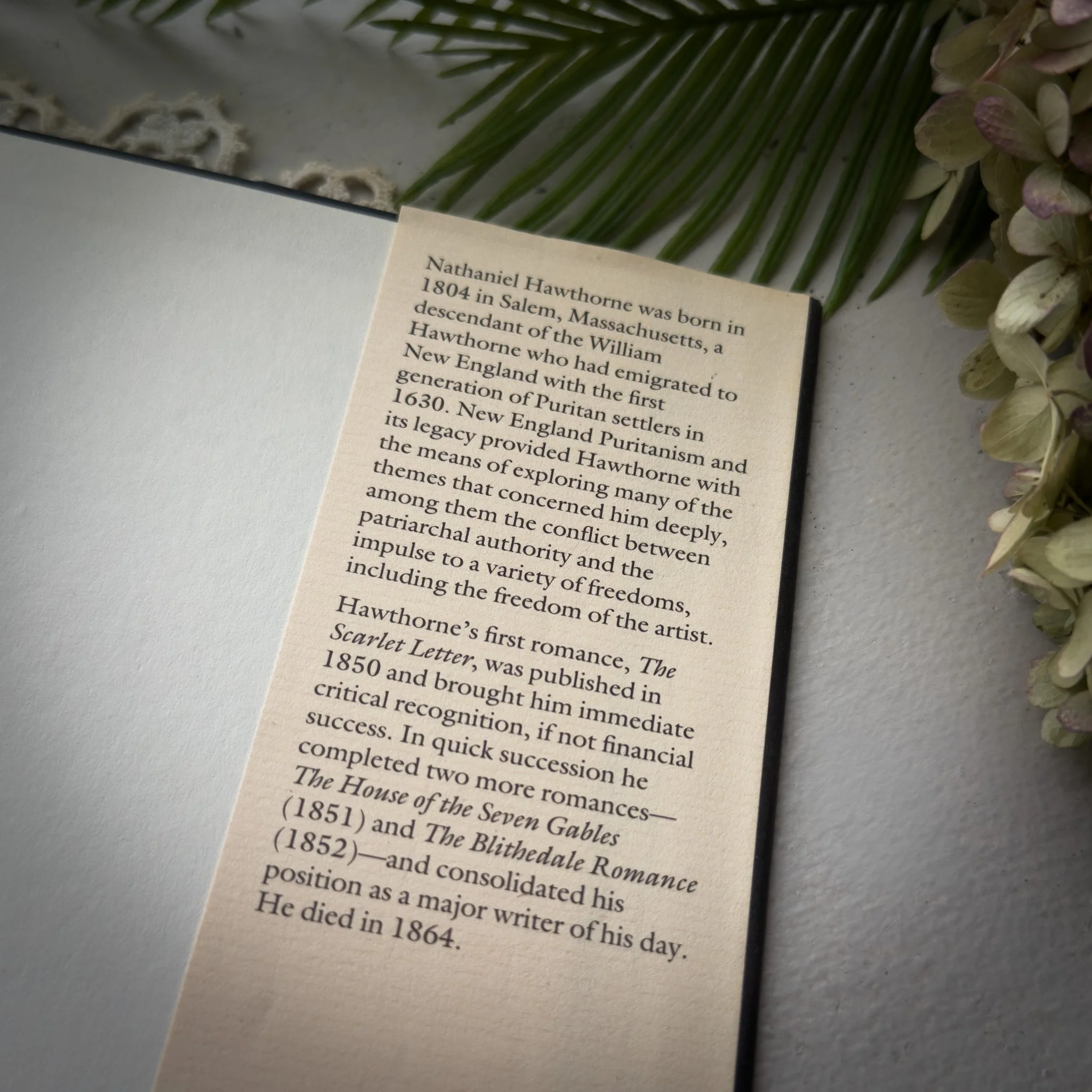 Image 12 of 13
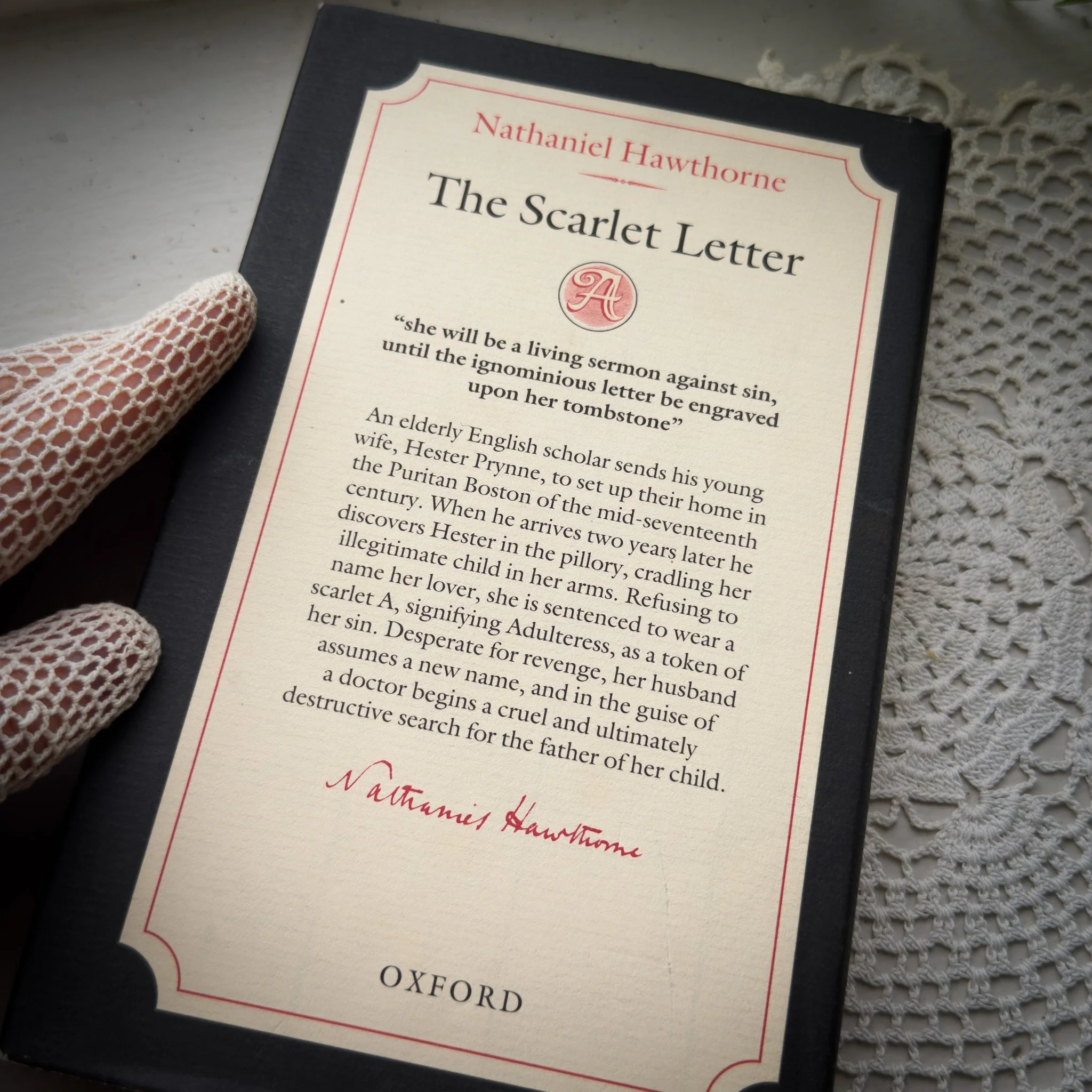 Image 13 of 13